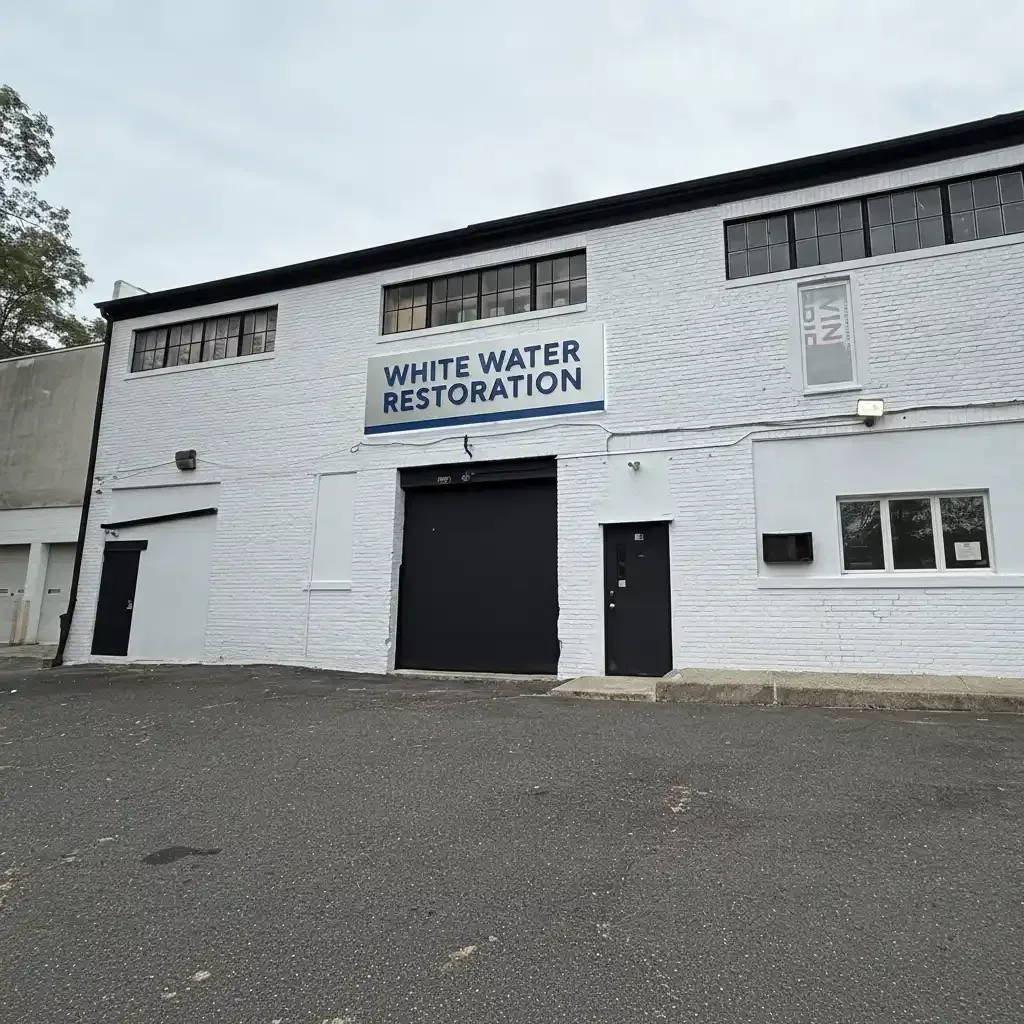
In Matawan, a sewer backup is treated as Category 3 from the moment it appears, because that is what the water actually is. Our crew double-bags and disposes of the affected material, then applies antimicrobial treatment to every surface that stays. The dense Matawan sewer network means a single municipal surcharge can affect a whole block of connected homes. Our record ties the backup source to the sanitation performed, leaving no gap in the biohazard claim. One call to 848-310-7887 brings a suited-up crew to Matawan.
- IICRC S500 Cat-3 protocol
- Full Tyvek + HEPA respirator PPE
- Porous-material removal to flood line
- EPA-registered antimicrobial
- Air quality clearance before reconstruction
- Insurance documentation
The Right Way To Handle Black Water
Black water in a basement is a health hazard, not a cleanup chore — it carries bacteria that persist after it dries. The water is extracted with equipment dedicated to Category 3 work, and everything it touched is treated or removed accordingly.
The team contains the zone, extracts aggressively, double-bags the affected material, and applies antimicrobial treatment to every surface that stays. We document the contamination category, the affected area, and the disinfection so the file matches the true hazard.
Why Speed Matters On A Sewage Call
The lowest fixture floods first, which is often a finished basement that was never built to take it. Avoid walking through the water, do not use the affected fixtures, and keep the contaminated zone closed off until a crew arrives.
We get there fast and start extracting, because on a contaminated loss every minute decides how much comes out. If a property has backed up once, the conditions that caused it likely remain, so prevention lowers the chance of a repeat.
Water Damage Restoration and the rest of your recovery
A property loss in Matawan rarely stays in one lane — sewage cleanup often overlaps with water extraction, fire damage restoration, severe weather recovery, mold removal, reconstruction, and our crew handles all of it under one contract. We dispatch the same standard to Aberdeen sewage cleanup, Keyport sewage cleanup, Hazlet sewage cleanup, Sewage Cleanup in Old Bridge and everywhere else across Monmouth County.
If you searched for local emergency restoration, you have reached a local team — call 848-310-7887 any hour. For background, read Documenting a Property Damage Claim in Matawan: What the Insurance File Needs on our blog, or head back to our Matawan home page to see everything we do.